


Deep insights. Simply put
Carefully curated. Deeply researched. Free of ads and shackles.
There are brilliant content producers with the finger on the pulse. So we won’t regurgitate the news just to keep up with the crowd, except if the news needs an urgent second opinion. And this is not a rarity. We take our time to see through commercial biases, and noodle on the nuances behind the headlines. Always in an easily digestible form. An individual human may be pear-shaped but is never bell-shaped - meaning, statistical evidence for whole populations may not fit well with you if you’re an edge case or working in extremes. Like many of our patients. While on the programme or alumni membership we’ll take the topics you ask us about and tailor what it means to those like you. And while we use AI tools to help us search and type faster, rest assured, we don’t rely on anyone except the experts.
-
We geek out on:-
Preventive & therapeutic medicine
Leadership & relationships
Health-span research
Human Performance Science
Nutrition and 'Notrition' (fasting) and Nootrition (cognitive enhancement)
Sleep, Jetlag and circadian biology
Fitness & Physique
All things Psyche...
-
,,,,
-
…
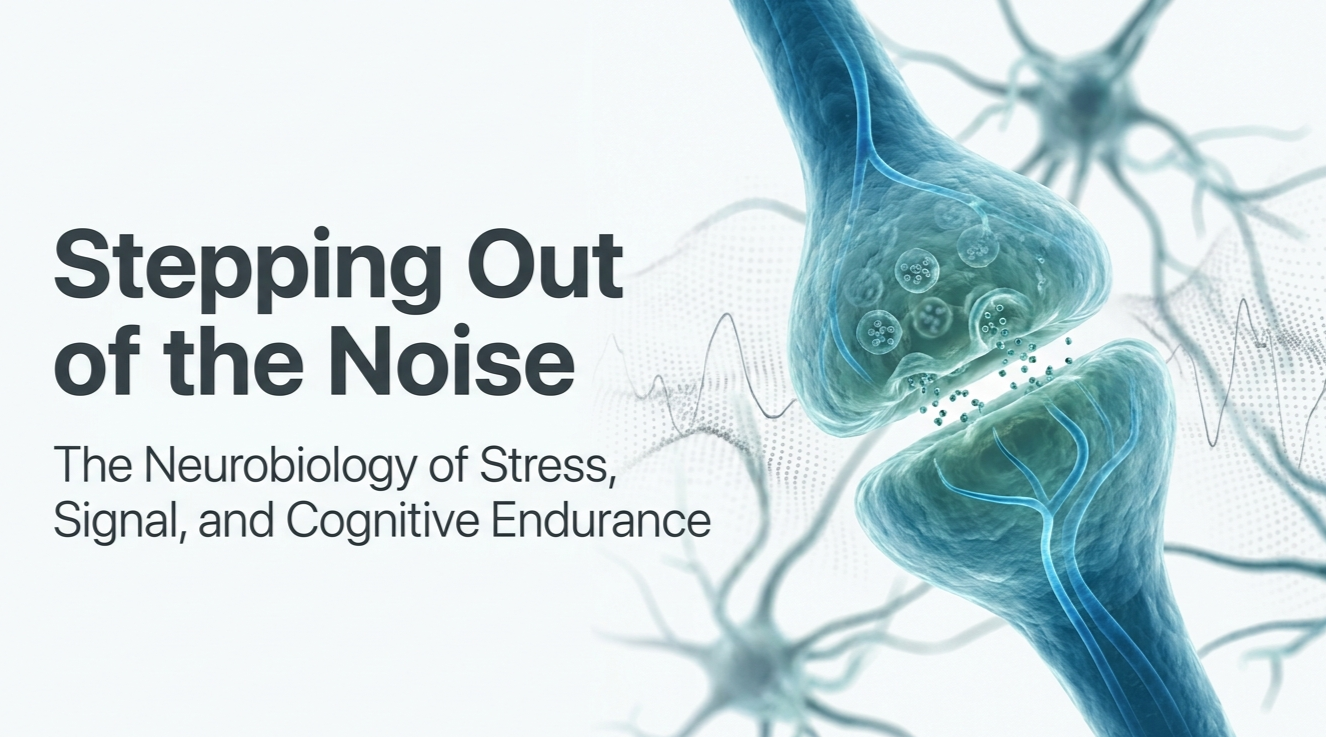
Stepping Out of the Noise:
The Pause is Part of the Work
A founder replies to a board email at 11pm, three minutes after it hits her inbox. Her message is fluent and quick, but slightly off. Twelve hours later, in the shower, a better answer arrives. But by then the email thread has moved on.
This is the new environment many Founders and leaders now find themselves in. Inputs arrive during the working day, and beyond, faster than they can be "metabolised". AI has now compressed that window even further, not because the technology itself forces you to respond but because everyone else's response time has rapidly accelerated. On the surface, this might look like productivity but the real cost is actually measured in quality of judgement or the delegation of that judgement.
The more interesting question is not do we do less. The question is what is actually being traded under that pressure, and what would it take to think more clearly?
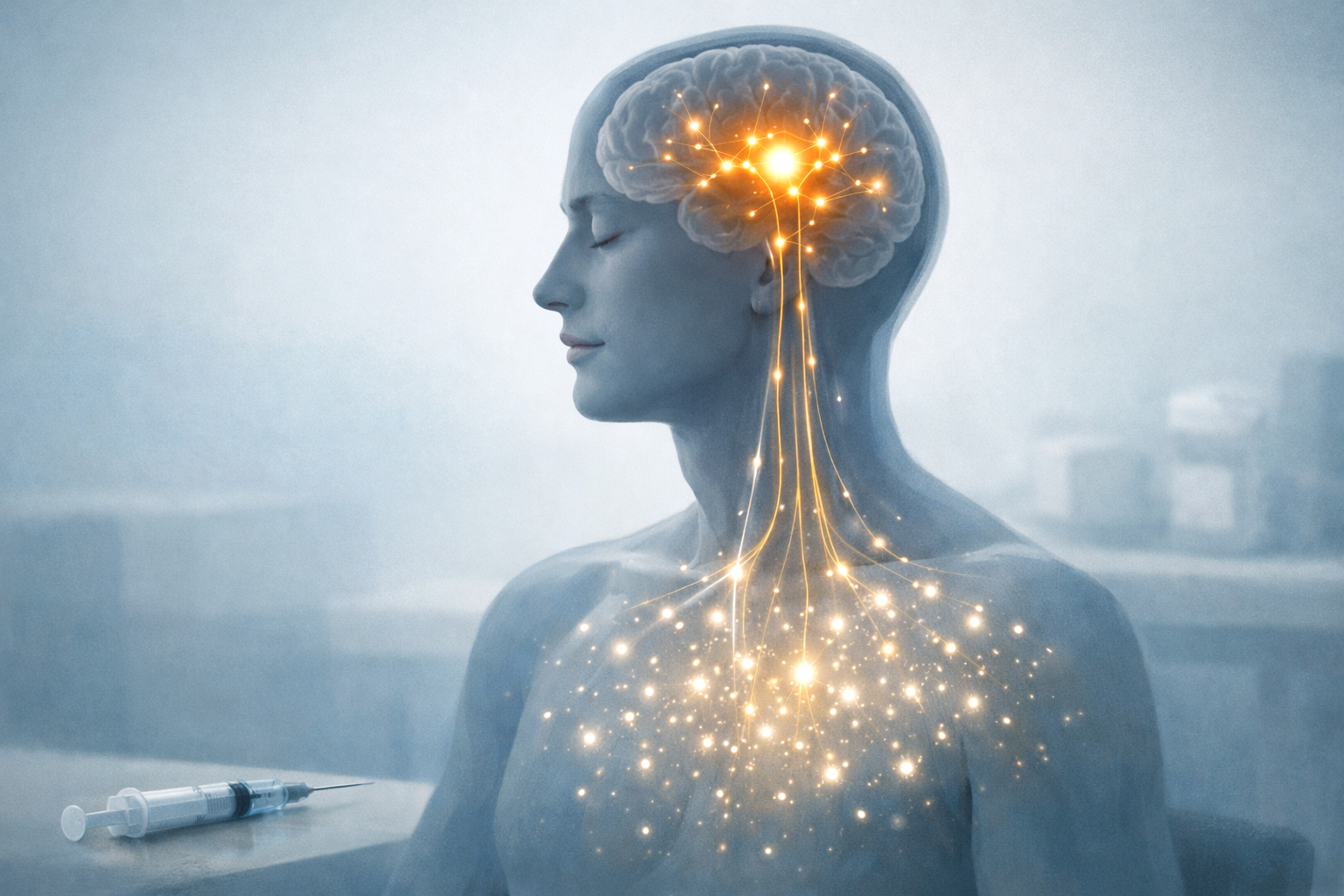
Can You Train Your Brain to Boost Vaccine Response?
When mind meets immunity: why this matters
Missing a competition or event because of flu, feeling run down or watching your metrics dip after a jab, is a frustration many of us know well. We often treat the immune system as something we cannot consciously train, but recent studies hint that the way we think and feel could influence vaccine responses [1]. Imagine harnessing your mind to prime your body before the next vaccination. Yet the evidence is still young and nuanced. Before you start conjuring positivity at will, let’s unpack what one of the first human trials and the wider literature really show.
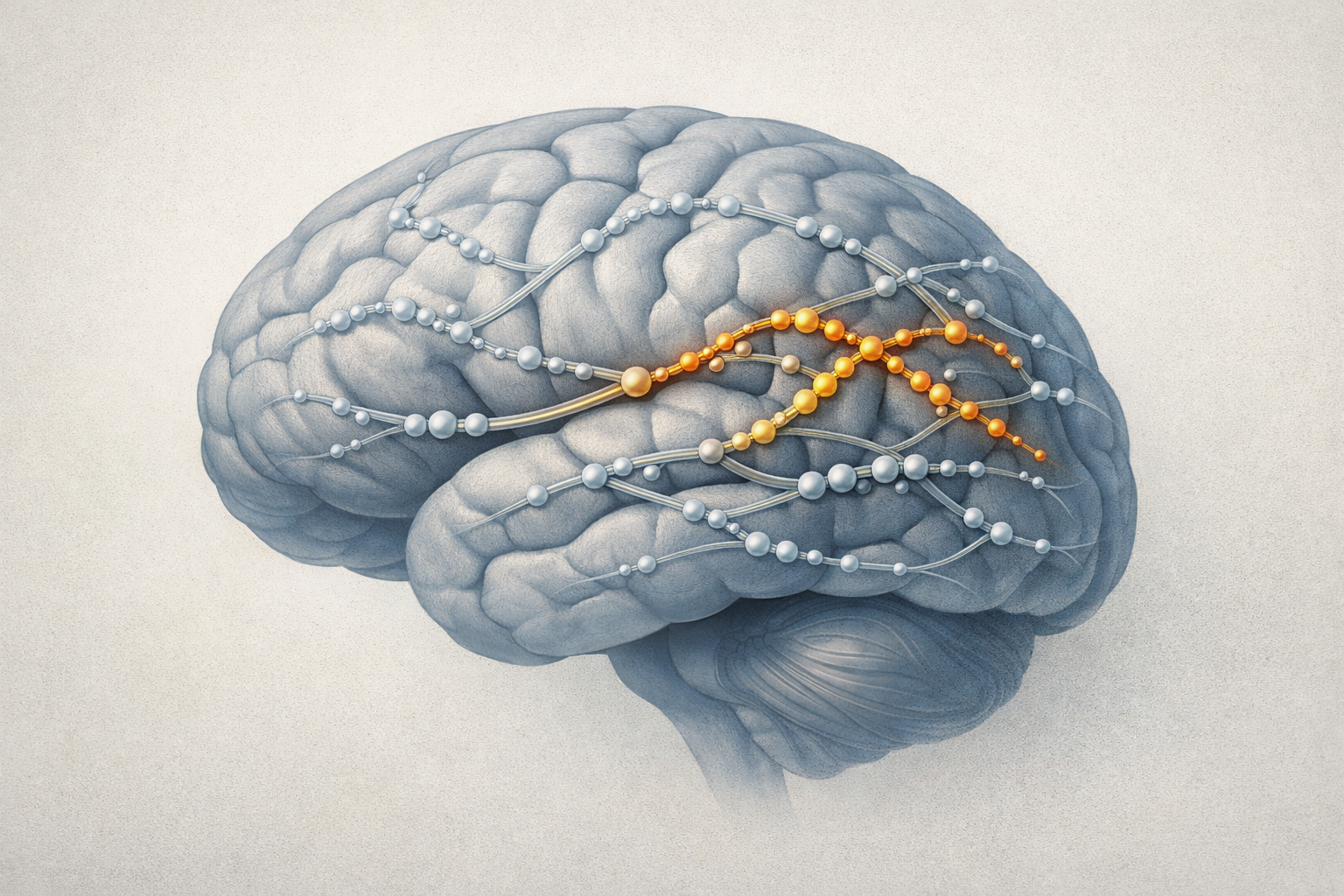
The APOE gene: how one genetic variant might shape Alzheimer’s risk
If you’re focused on thriving into your 7th or 8th decade, few scenarios are more unsettling than the thought of gradually losing your memory. Dementia robs people of their independence and quality of life, but the impact extends far beyond that of us as individuals. It is heartbreaking for friends and family too. In the UK alone, more than half a million people live with Alzheimer’s disease, and treatments offer only modest slowing of decline.

Tapping the Vagus Nerve: Could a Gentle Electrical Pulse Fine-Tune Performance, Mood and Recovery?
Why is the vagus nerve getting so much attention?
From challenging work situations to Strava leader-boards, people are evermore aware of ways to monitor their life-load and recover faster afterwards. At the centre of this sits the vagus nerve. Roughly 80% of its fibres carry information up to the brain, providing live “telemetry” on the body’s parasympathetic balance. Surgeons have long implanted electrodes around the cervical vagus to treat epilepsy and depression. Now pocket-sized gadgets promise to reach the same pathway through the skin of the outer ear or neck to stimulate the vagus nerve (transcutaneous VNS, or tVNS).
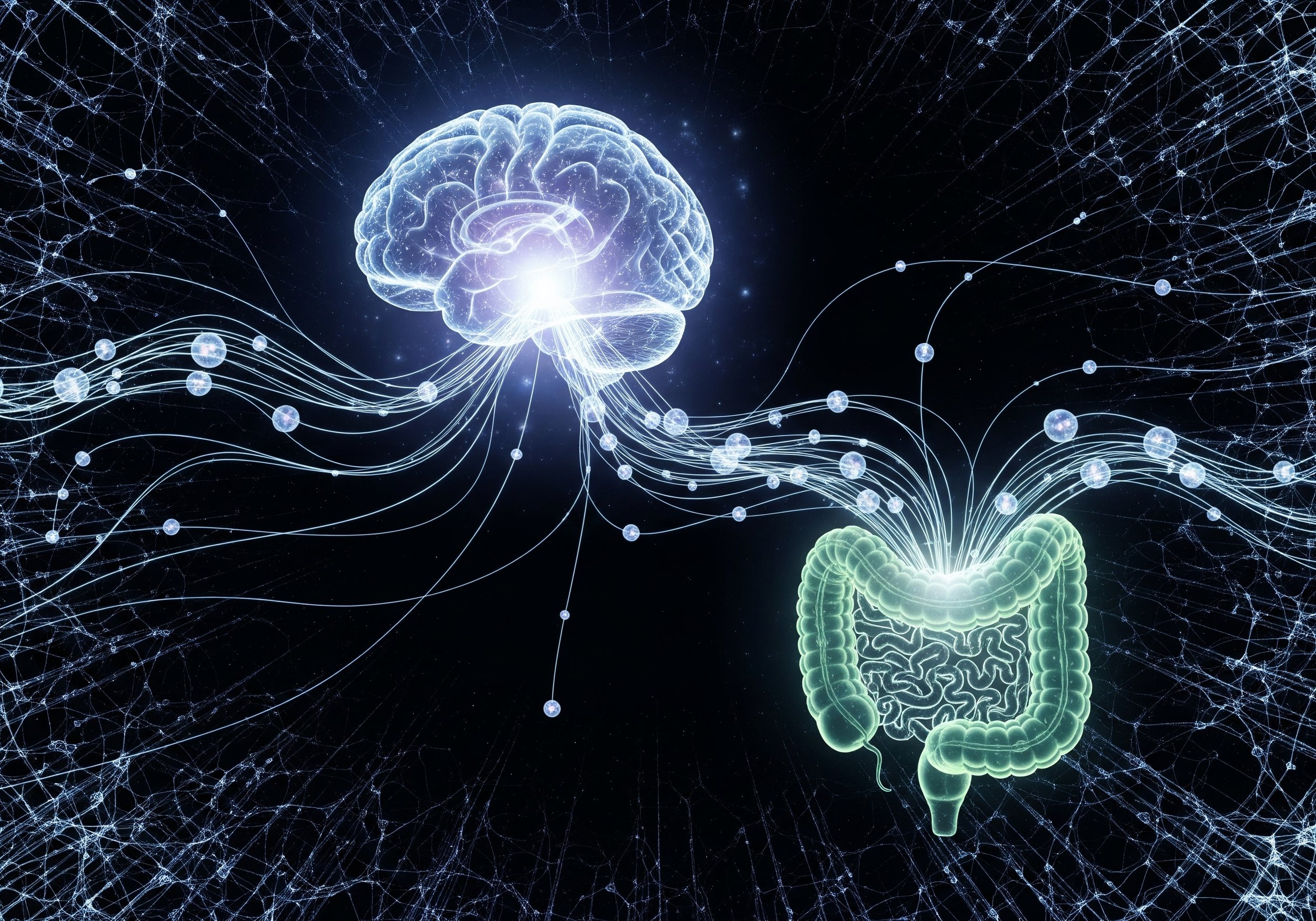
The Gut-Brain Conversation: Could Your Microbiome Shape Brain Health?
Your gut hosts trillions of microbes. It also hosts its own nervous system, hormone-secreting cells, and immune regulators. And according to a growing body of research, including a fascinating new paper in Nature, these systems don’t just talk to your brain - they may shape its future.
In this article, Dr. Robin Brown explores what this means for brain health, inflammation, and the future of performance.