

Deep insights. Simply put
Carefully curated. Deeply researched. Free of ads and shackles.
There are brilliant content producers with the finger on the pulse. So we won’t regurgitate the news just to keep up with the crowd, except if the news needs an urgent second opinion. And this is not a rarity. We take our time to see through commercial biases, and noodle on the nuances behind the headlines. Always in an easily digestible form. An individual human may be pear-shaped but is never bell-shaped - meaning, statistical evidence for whole populations may not fit well with you if you’re an edge case or working in extremes. Like many of our patients. While on the programme or alumni membership we’ll take the topics you ask us about and tailor what it means to those like you. And while we use AI tools to help us search and type faster, rest assured, we don’t rely on anyone except the experts.
-
We geek out on:-
Preventive & therapeutic medicine
Leadership & relationships
Health-span research
Human Performance Science
Nutrition and 'Notrition' (fasting) and Nootrition (cognitive enhancement)
Sleep, Jetlag and circadian biology
Fitness & Physique
All things Psyche...
-
,,,,
-
…
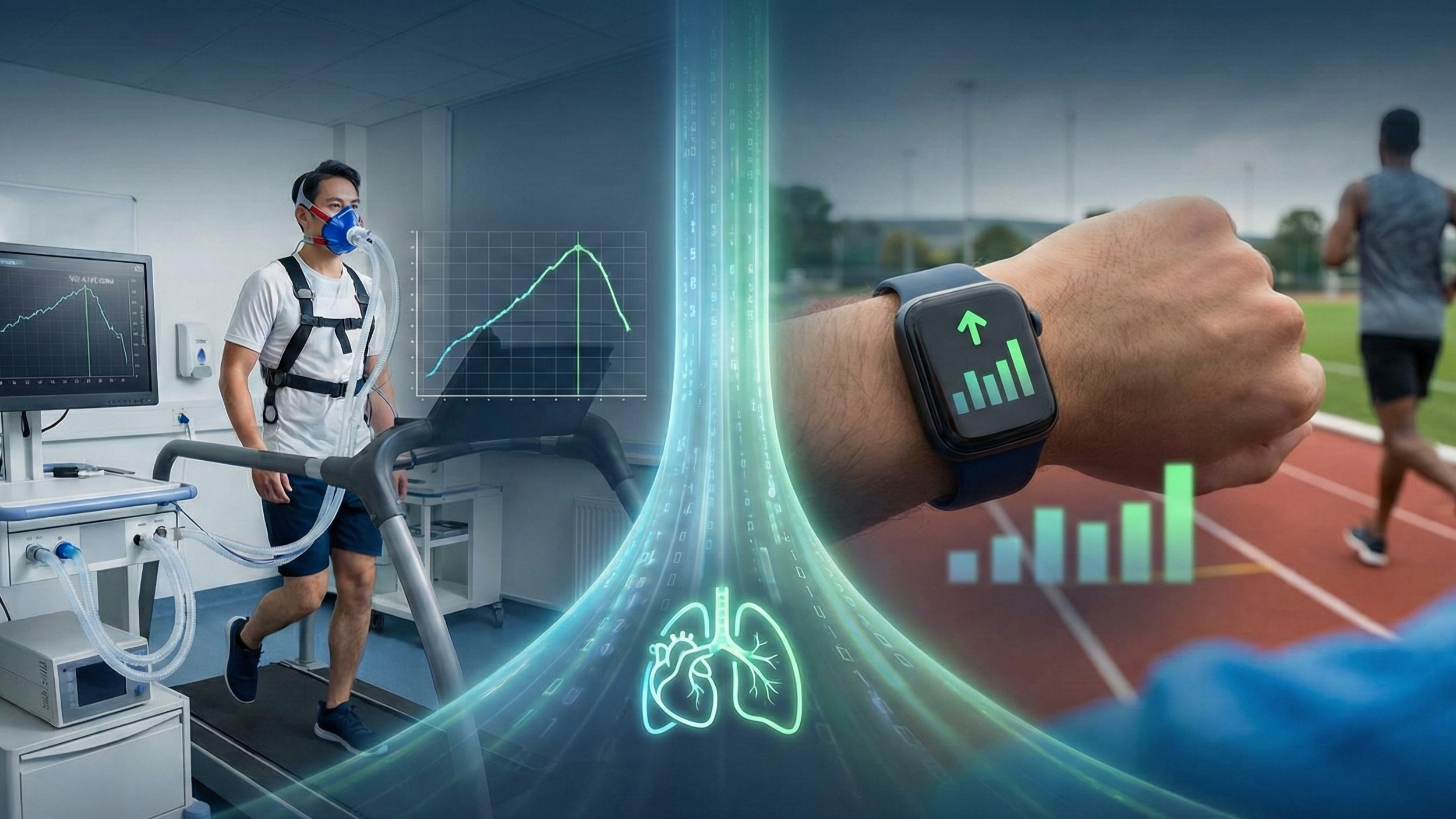
The Truth about VO2max: what it is and why it matters
VO2max has hit the headlines because a lot of people have noticed a mismatch between what metric the strongest long term datasets linking cardiorespiratory fitness and mortality actually measured, METs, and what the public conversation thinks they measured, VO2max.
Much of the data for these big studies assessing cardiorespiratory fitness comes from treadmill tests reported in METs, not VO2max from breath by breath gas analysis. At the same time, consumer devices have started pushing VO2max estimates as if they were a clinical grade assessment. That combination has created a predictable backlash.