

Deep insights. Simply put
Carefully curated. Deeply researched. Free of ads and shackles.
There are brilliant content producers with the finger on the pulse. So we won’t regurgitate the news just to keep up with the crowd, except if the news needs an urgent second opinion. And this is not a rarity. We take our time to see through commercial biases, and noodle on the nuances behind the headlines. Always in an easily digestible form. An individual human may be pear-shaped but is never bell-shaped - meaning, statistical evidence for whole populations may not fit well with you if you’re an edge case or working in extremes. Like many of our patients. While on the programme or alumni membership we’ll take the topics you ask us about and tailor what it means to those like you. And while we use AI tools to help us search and type faster, rest assured, we don’t rely on anyone except the experts.
-
We geek out on:-
Preventive & therapeutic medicine
Leadership & relationships
Health-span research
Human Performance Science
Nutrition and 'Notrition' (fasting) and Nootrition (cognitive enhancement)
Sleep, Jetlag and circadian biology
Fitness & Physique
All things Psyche...
-
,,,,
-
…

The Shingles Bell
Shingles vaccination is a well-established way to reduce the risk and severity of shingles (Herpes zoster) and its often debilitating complications. In the last few years, multiple large population studies - now including “natural experiment” / quasi-randomised designs - have also reported a consistent association between shingles vaccination and a lower subsequent risk of dementia. Some of the strongest evidence suggests the effect may be greater in women.
These findings do not yet prove that shingles vaccines prevent Alzheimer’s disease (or dementia) directly, nor do they define the ideal timing for vaccination purely for neuroprotection. But the signal is now strong enough to justify a practical, evidence-aligned conclusion…
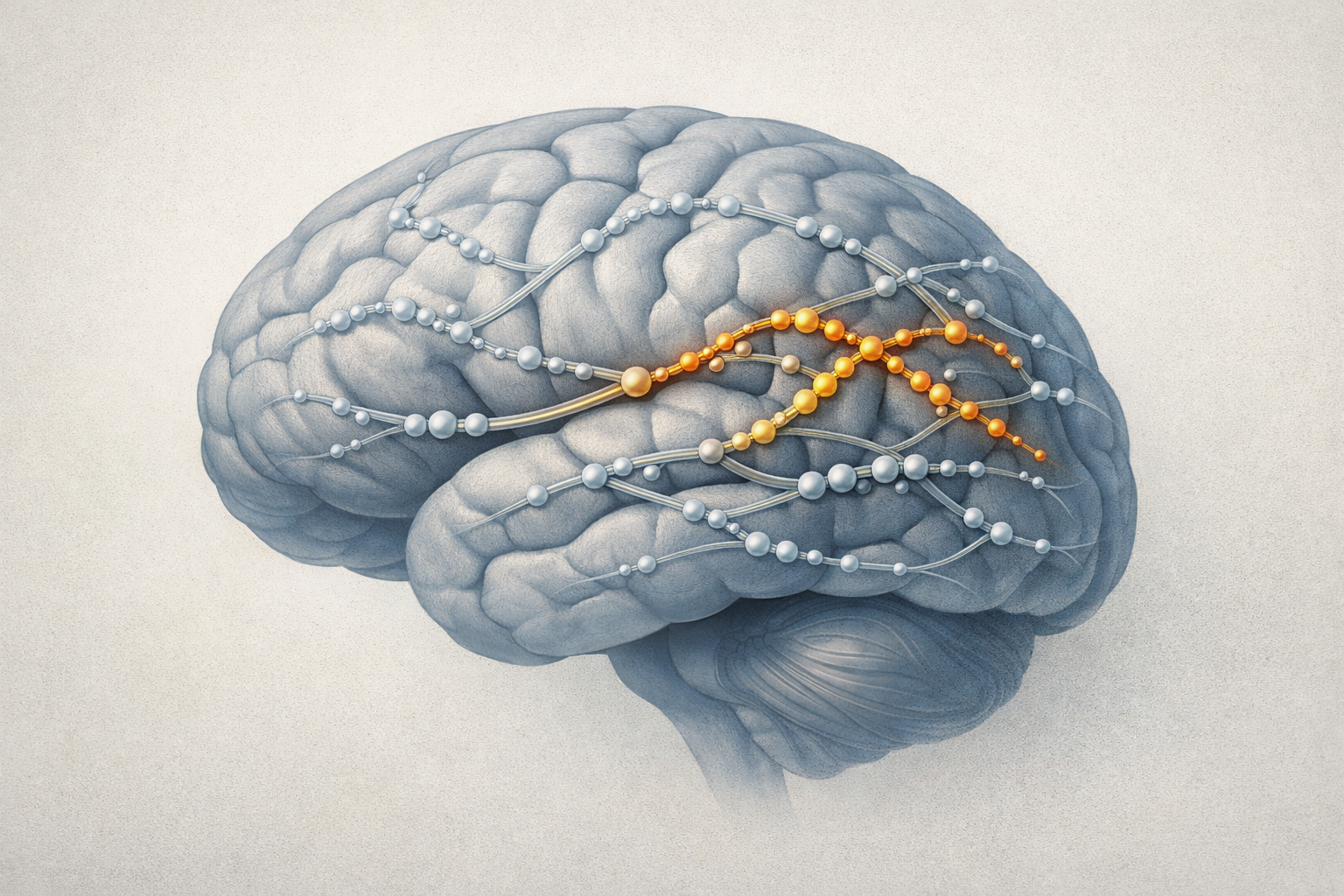
The APOE gene: how one genetic variant might shape Alzheimer’s risk
If you’re focused on thriving into your 7th or 8th decade, few scenarios are more unsettling than the thought of gradually losing your memory. Dementia robs people of their independence and quality of life, but the impact extends far beyond that of us as individuals. It is heartbreaking for friends and family too. In the UK alone, more than half a million people live with Alzheimer’s disease, and treatments offer only modest slowing of decline.
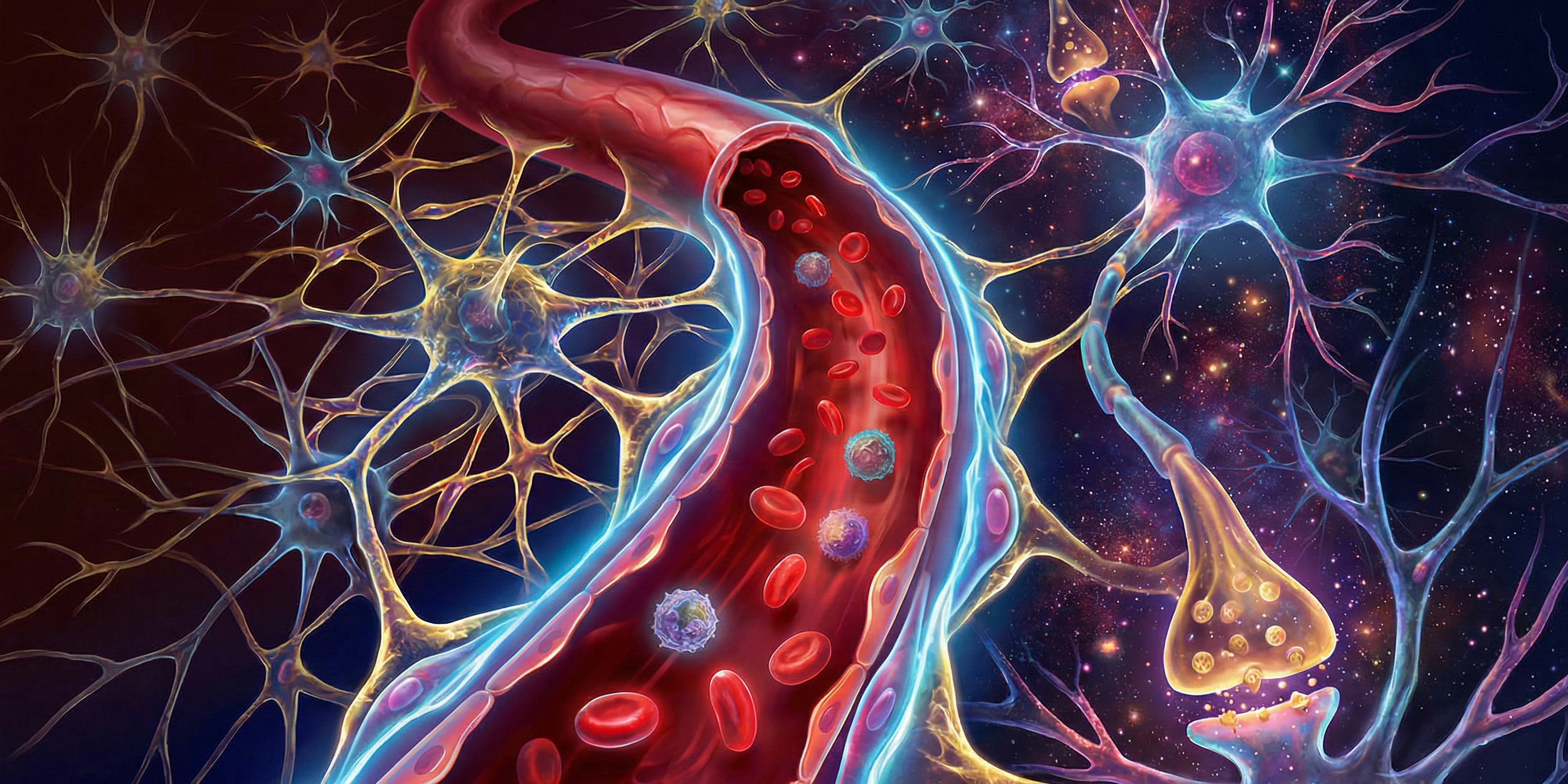
Rapid amyloid clearance in hours: what this 2025 mouse study shows us
Could the fastest way to treat Alzheimer’s disease be not to attack plaques in the brain, but to restore the brain’s clearance plumbing?
Alzheimer’s disease has long been one of medicine’s most stubborn challenges. For decades, scientists have approached this battle on two fronts: stopping the buildup of amyloid plaques in the brain, and getting drugs past the brain’s ultra-strict protective barrier, the Blood-Brain Barrier (BBB).
A recent 2025 paper in Signal Transduction and Targeted Therapy reported a striking finding in an Alzheimer’s mouse model: using nanotechnology, they were able to half brain amyloid within 2 hours, and importantly, restored spatial learning and memory in the mice, comparable to their normal peers.