
Leaders in Health 2025: Making Medicine Personal Again
Last week in King’s Cross, magic really did happen at the Leaders in Health Summit.
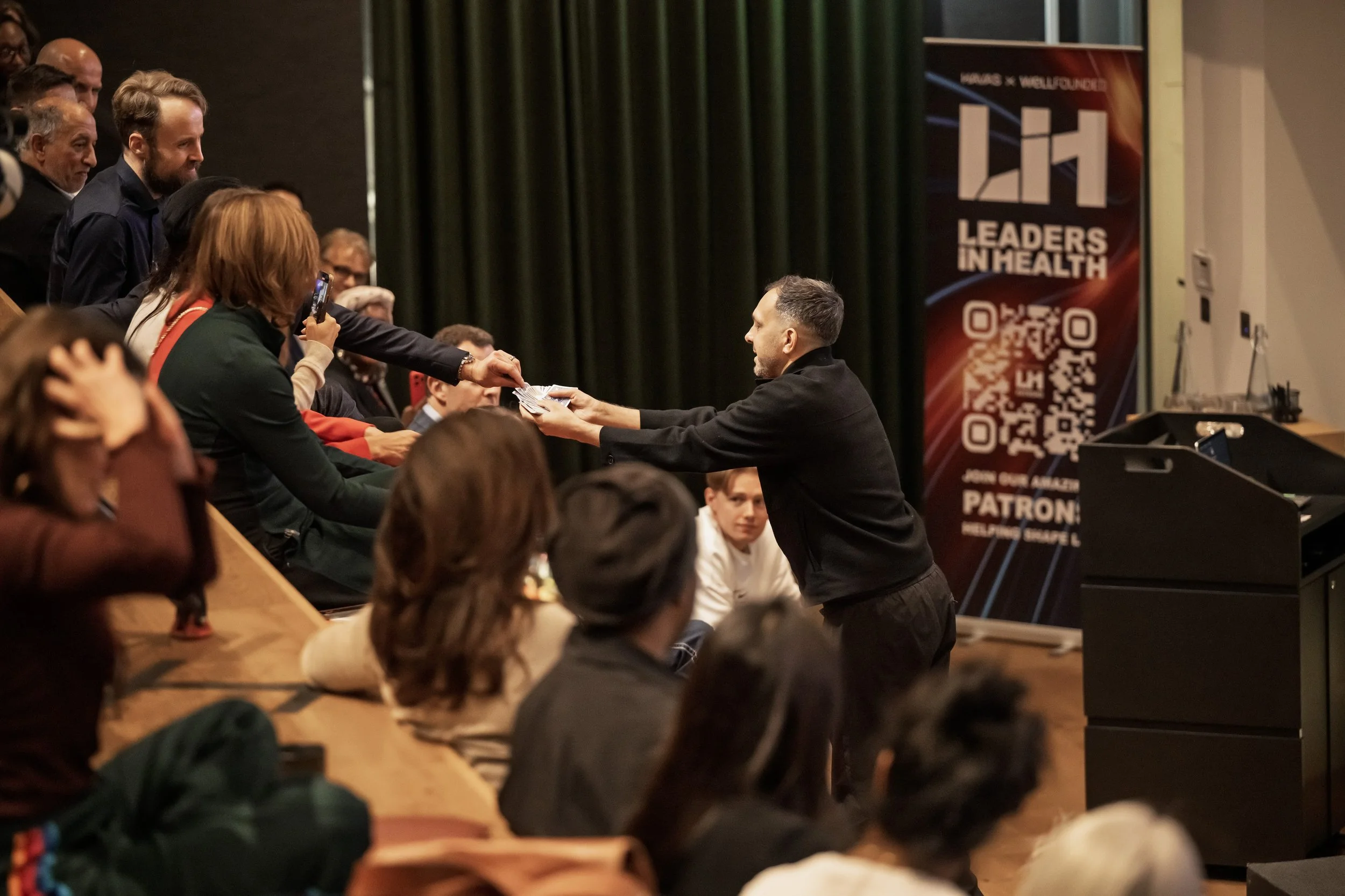
Around 180 people came from all reaches of the world of healthcare and biotech; clinicians, scientists, entrepreneurs, investors, patients. All eager to debate and coming for answers to the same question: what does “health” mean in an age of AI, ultra-personalisation and eroded trust in online information?
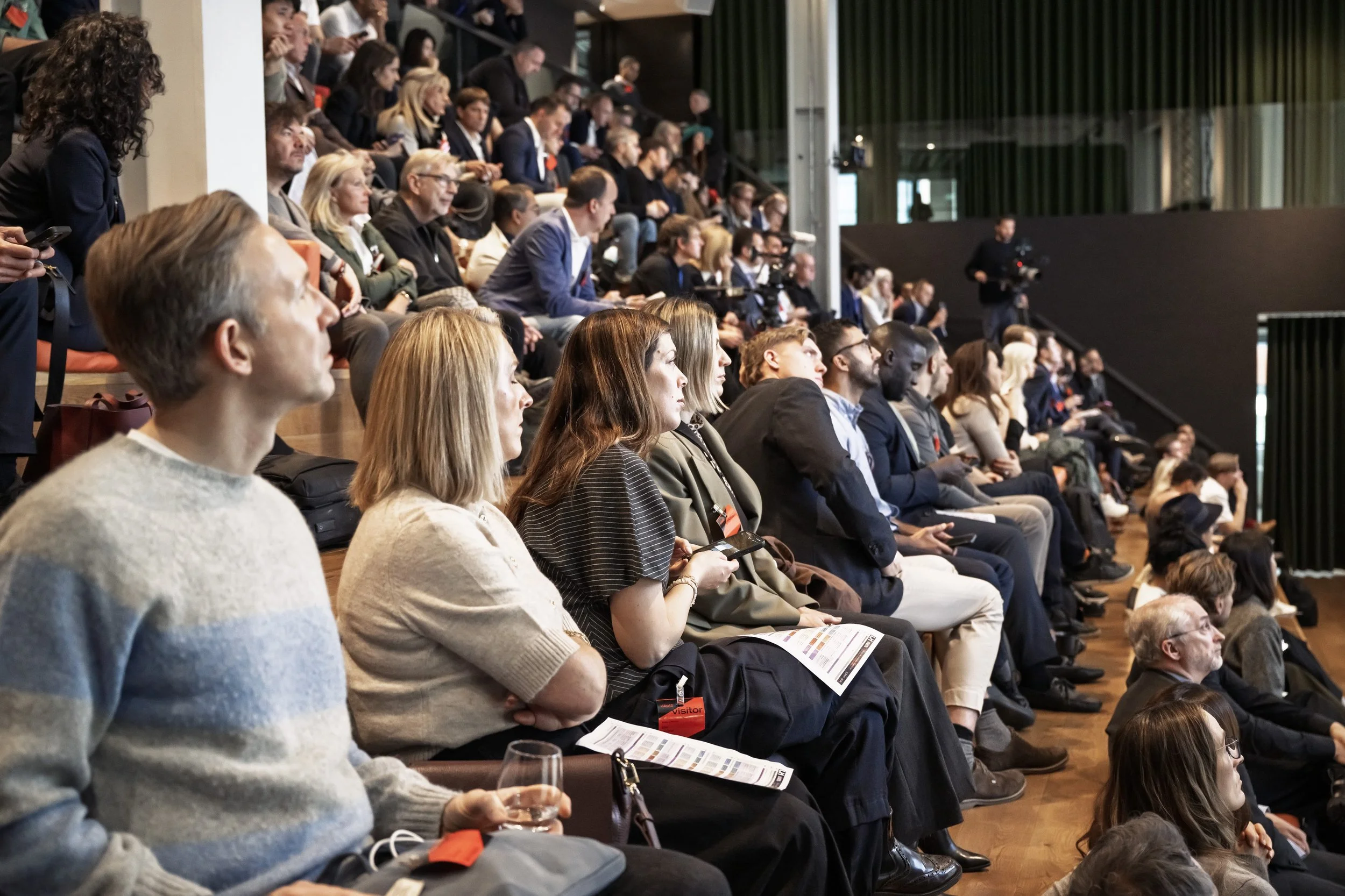
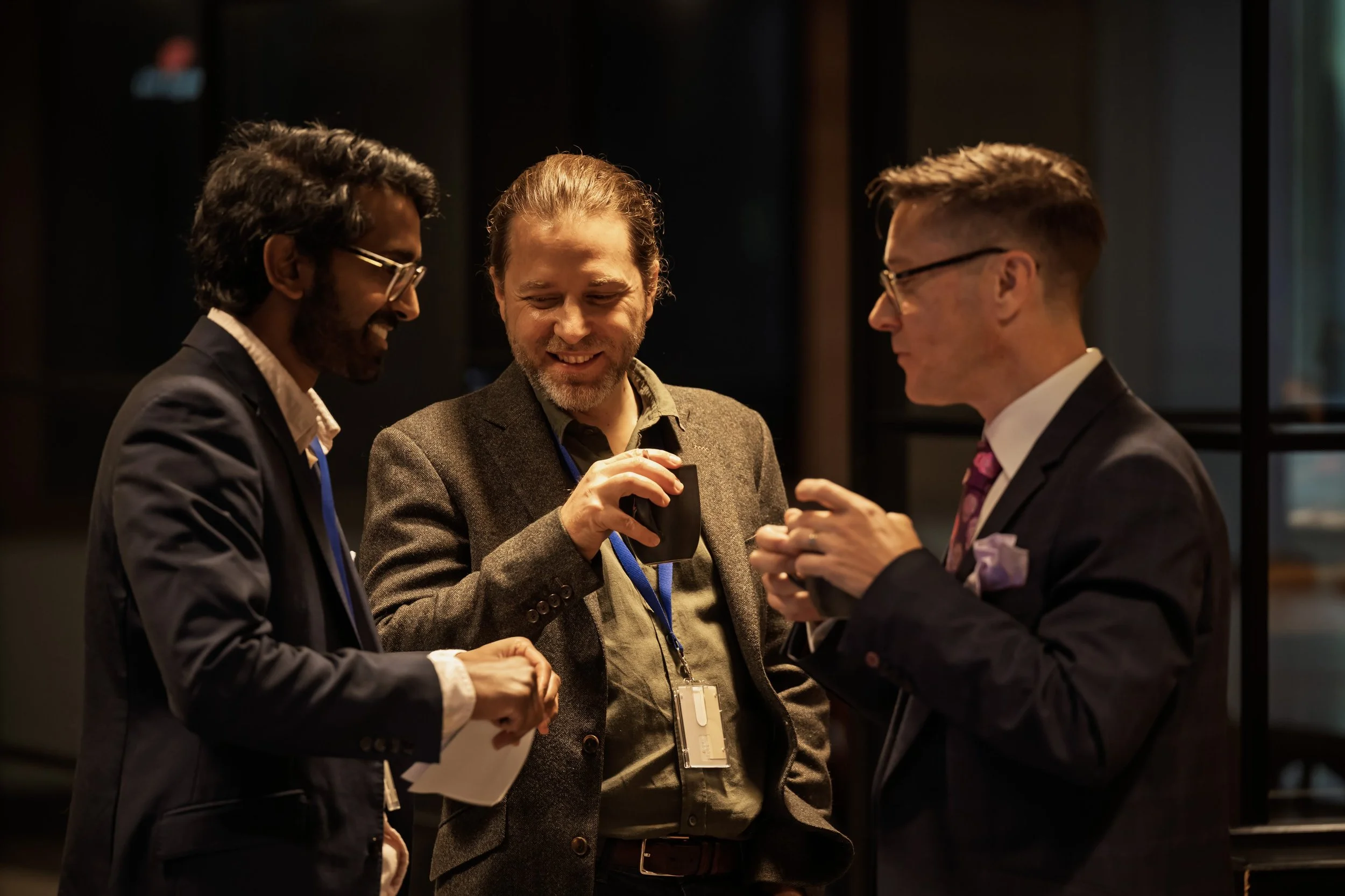
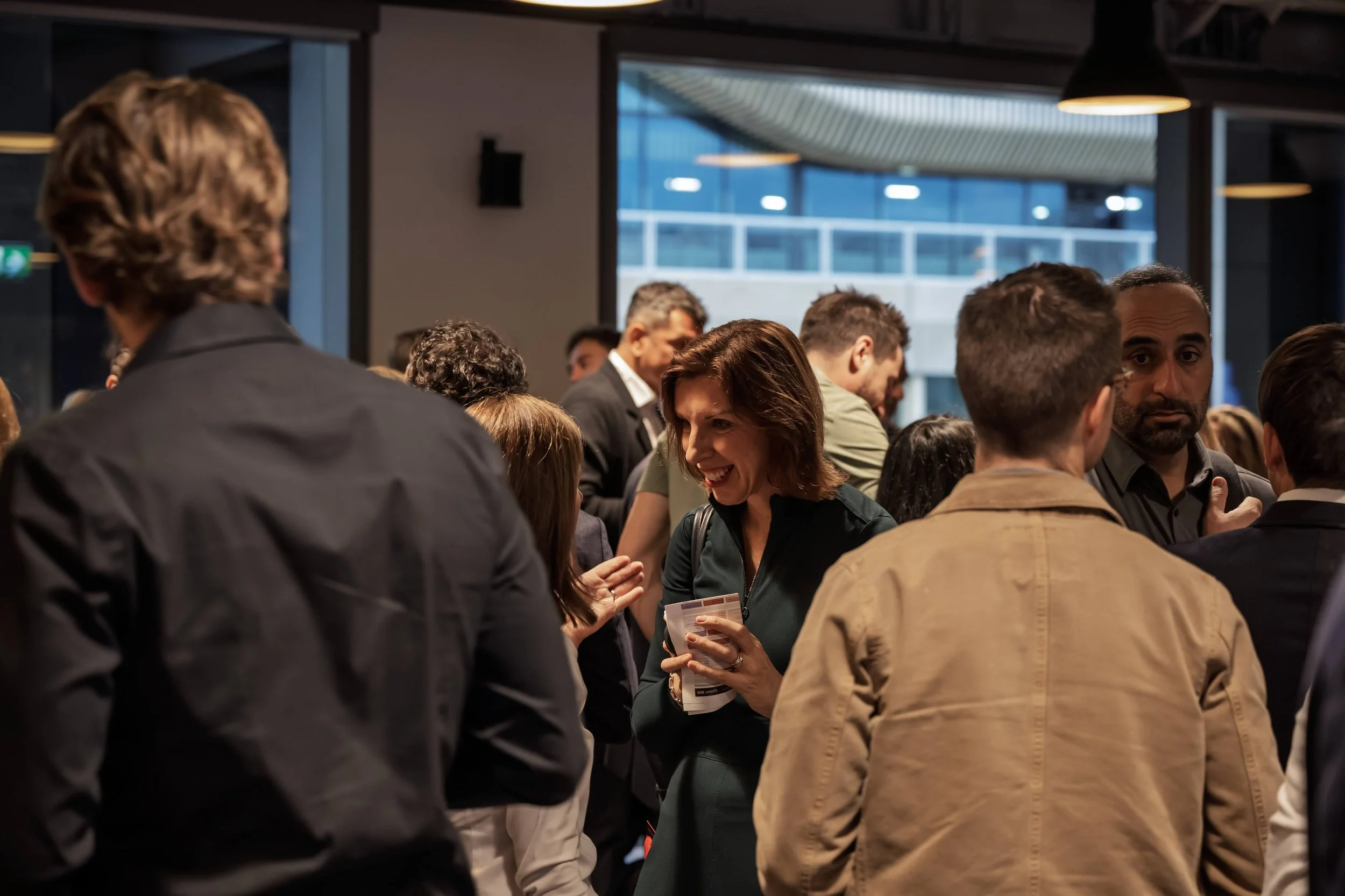
This was Leaders in Health 2025, co-created with our partners at Havas, produced by Marje Isabelle, and supported by an incredible group of patrons. The theme this year was “Ultra Personalisation of Medicine” but the conversations ran much deeper than data, devices and dashboards.
They kept coming back to something simpler: how do we make medicine personal again in the current era of social media, influencers, and now AI, without losing the rigour of medical science?
From data points to people
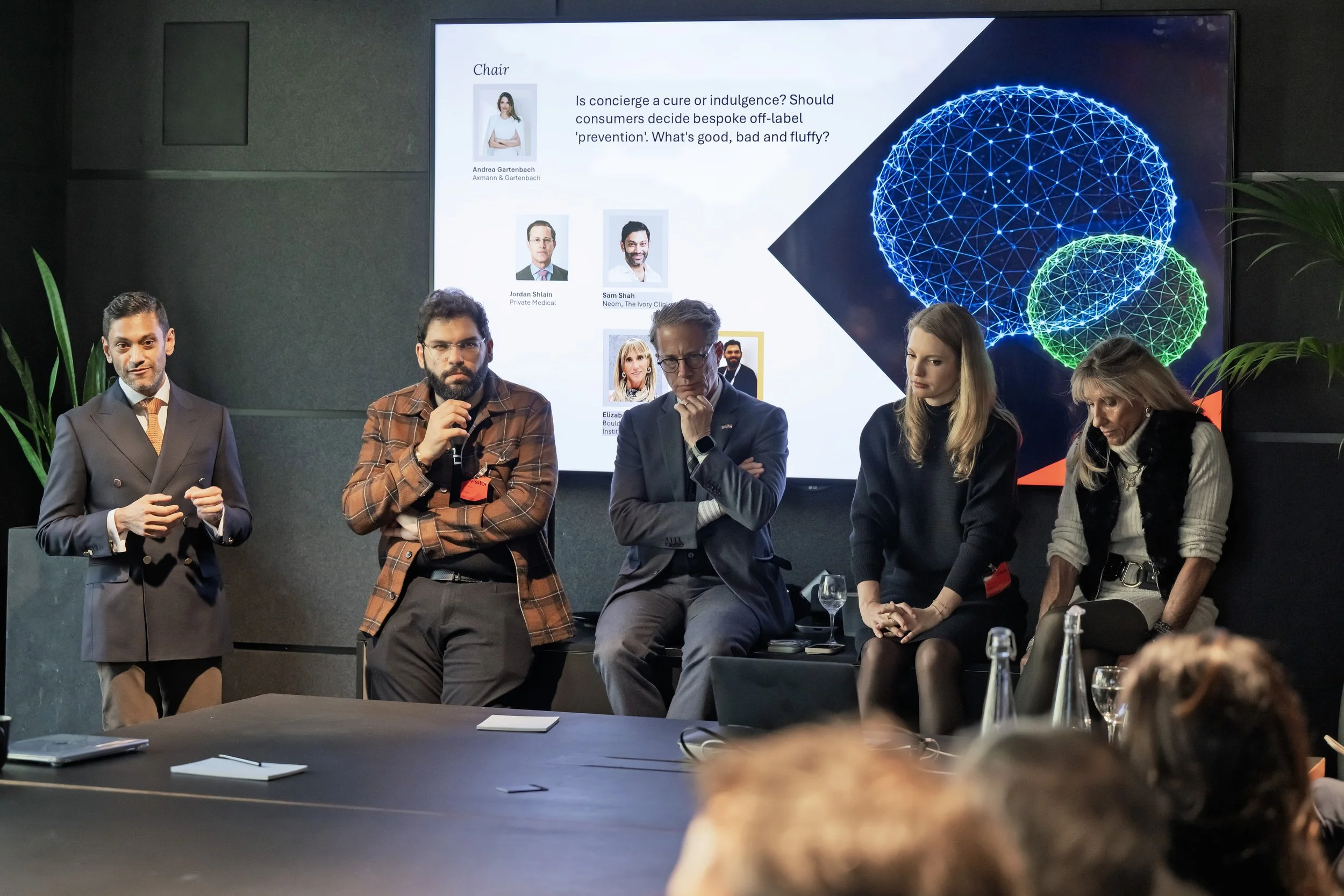
Across the usual LiH format of debates, masterclasses and roundtables, there was broad agreement that the future of care will be predictive, data-led and deeply individual.
We heard from teams compressing discovery cycles from years to weeks, building platforms that can detect risk long before symptoms, and designing resilience-based therapeutics by studying people who stay well and healthy against the odds, breaking statistical norms.
At the same time, the underlying message was that more data without wisdom is chaos.
Goldilocks medicine, N=1 pharma, extensive biomarker testing for all; these ideas are exciting, but only if we know what is meaningful, what is actionable, and what is best left alone. Precision biomarkers demand precision interventions and dynamic, evidence-based protocols, not default “longevity stacks”.
Prevention as a system, not a slogan
Prevention ran through the day as key theme of the day, more than just a buzzword.
Sessions explored ultra-early detection, environmental load, nutrition, microbiome health and “subtractive medicine”, removing sources of interference and toxicity before we keep adding treatments. Shifting from episode-based care to long-term health outcomes is not only clinically better, it is the only sustainable business model for healthcare.
A strong theme was resilience: studying those who do unexpectedly well, not just those who become unwell. That pivot in mindset may be one of the most important moves of this decade.
Trust, truth and the information gap
Another thread made for more uncomfortable listening.
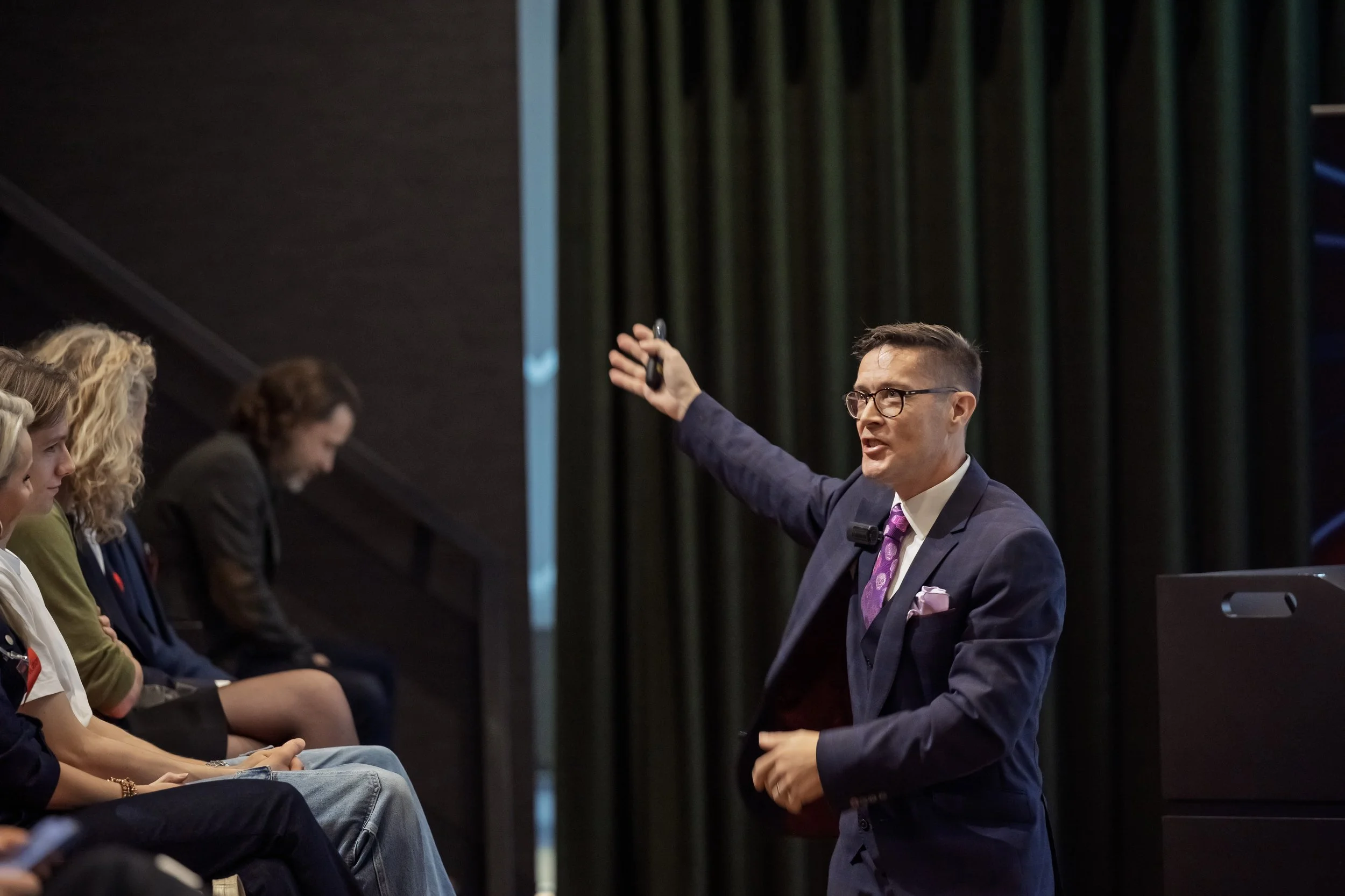
Topics dug into new data on digital health misinformation and its impact on real-world decisions. Patients and clinicians are both navigating feeds where harmful claims sit alongside good science, often indistinguishable at a glance.
The challenge is now no longer access to information, but clarity in a world of noise.
The work ahead needs to focus on education; teach people to spot bad information, curb its spread, and be willing to correct it directly. As one of the session’s speakers put it, our services should be bought, not sold - based on transparent, personalised information, not fear-based marketing.
Soul, art and why this really matters
For all the talk of AI and biomarkers, the most powerful moments were human.
Davina McCall’s honest account of recent diagnoses, Dynamo’s story of living and working with Crohn’s disease, and Emtithal Mahmoud’s closing poem reminded us what sits behind every data point: a person, a life, a family, a future.
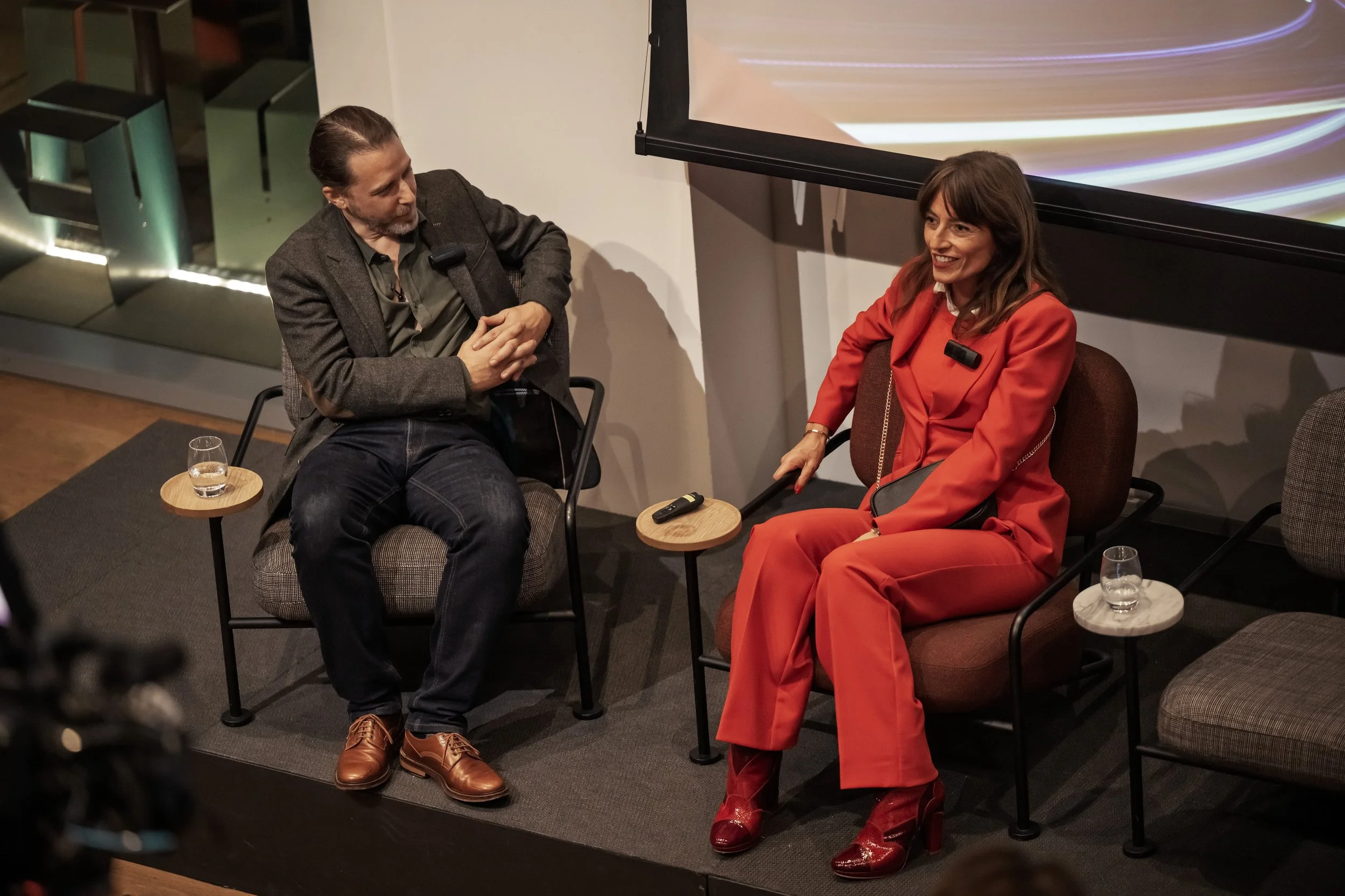
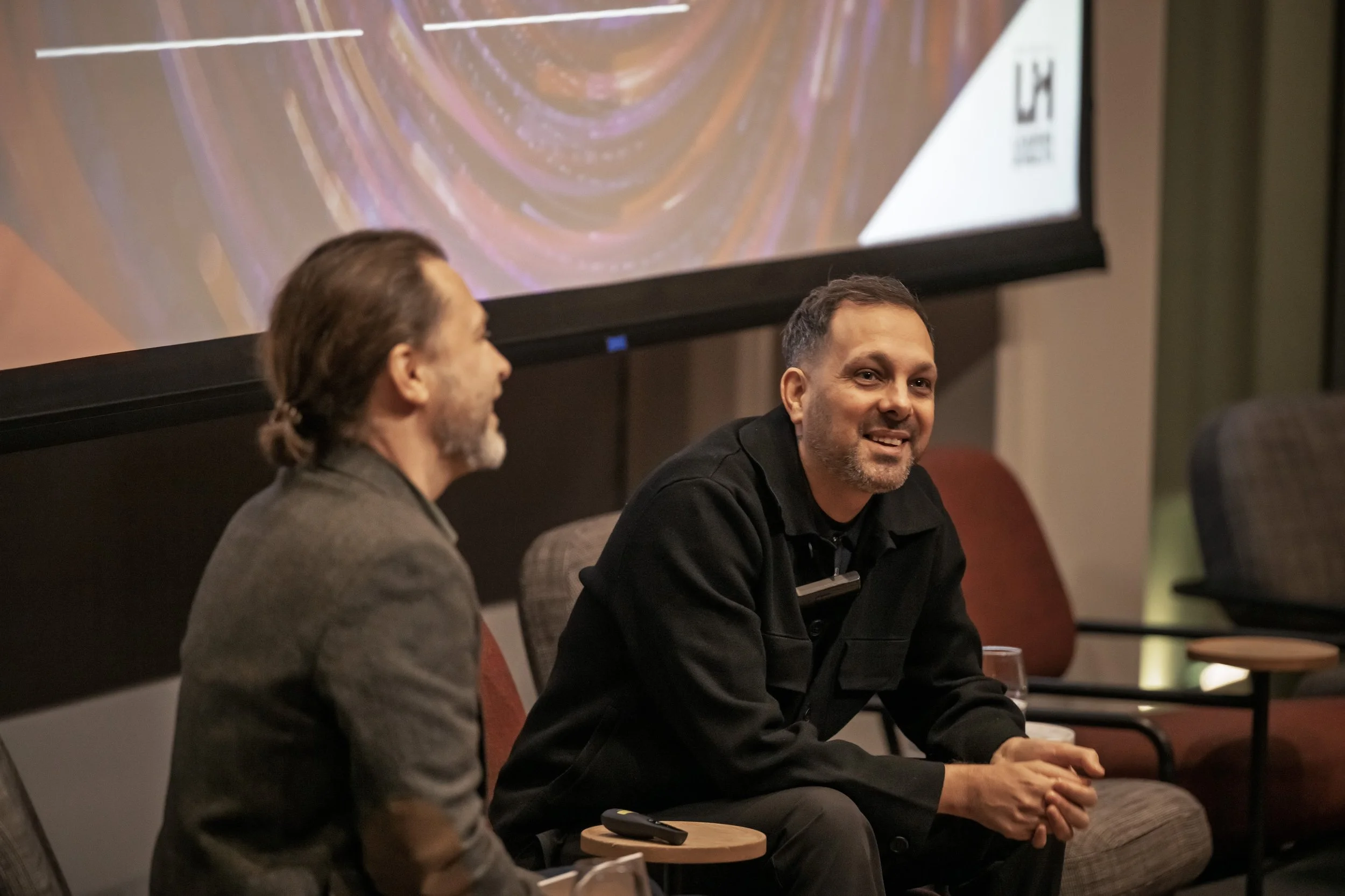
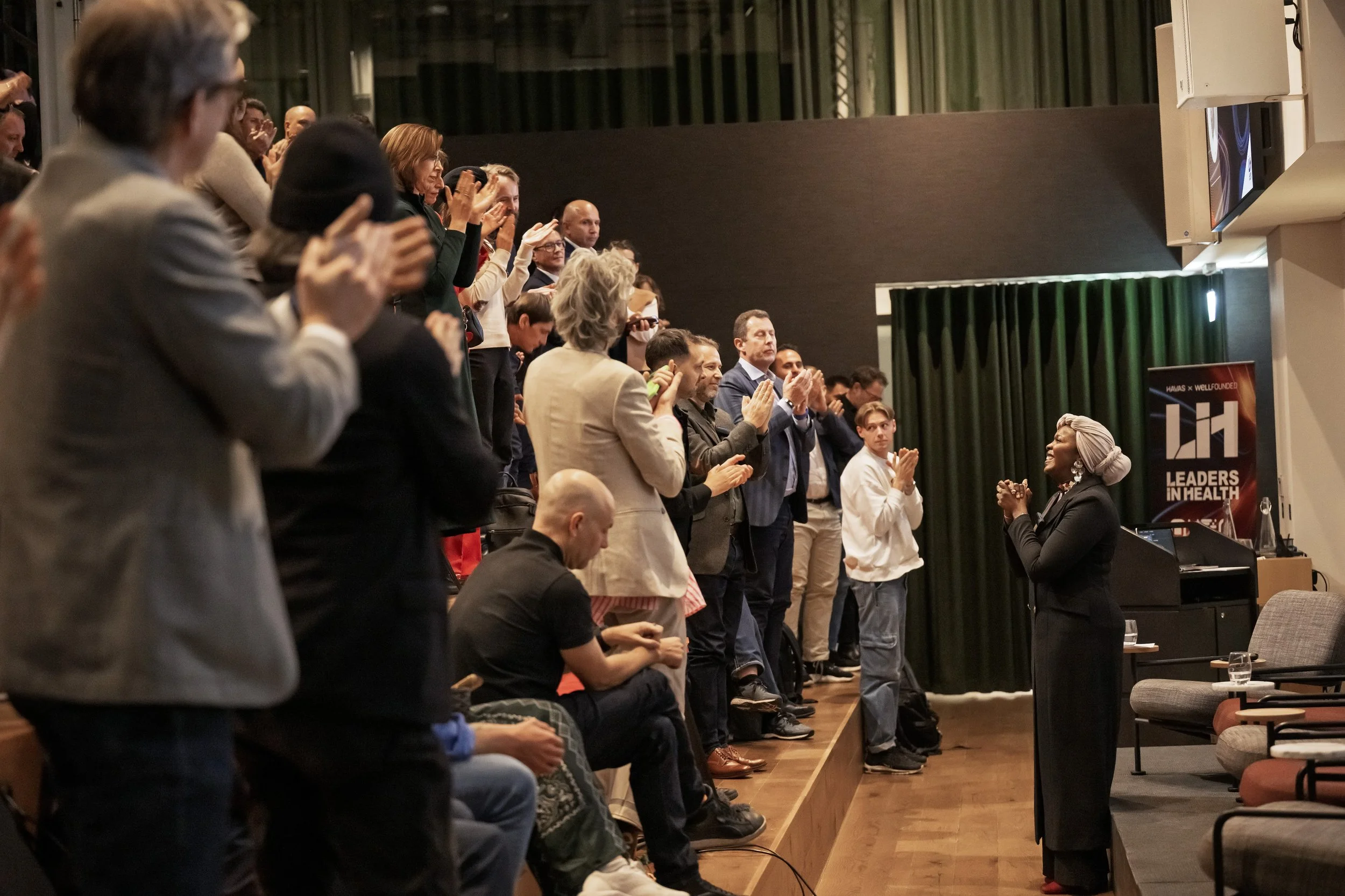
A newly coined term from one of the sessions touched on ideas like “soulspan” - not just how long we live, but how fully we live - and how music, story and immersive experience can shift nervous systems and open people to change in ways drugs sometimes cannot.
Health is still a human endeavour in need of technology, not a tech endeavour in need of humans.
Where we go from here
My takeaways for the year ahead:
Personalisation must serve people, not just a marketing term for platforms.
Prevention needs business models that reward long-term health.
Trust will depend on how we handle misinformation, not just what we build.
Art, story and community are not “nice-to-have” - they are core to the medicine.
